

Discover the best tours in Greece, from historic Athens to island-hopping trips. Each one is planned around your travel style and local advice.
Greece can give us very different trips, depending on how we choose to see it. One week can be all marble columns, myths, and museum halls in Athens. The next can be ferry rides, blue domes, seaside tavernas, and swims in water so clear it hardly looks real.
That’s why choosing among the best tours in Greece matters so much. We have traveled the mainland and the islands year after year, with local guides who know these places beyond the postcard stops.
The strongest tours don’t just move us from one landmark to another. They add context, timing, and local feel. They help us see why Delphi once felt like the center of the world. They also show why Santorini tastes as special as it looks, and why Crete never feels like just one island.
In this guide, we break down the best Greece tours by travel style, place, and the memories travelers want to take home. Use it to pick the trip that fits you best.
How To Choose The Best Tour In Greece For Your Travel Style
The best tours in Greece aren’t always the longest, the priciest, or the most popular. They’re the ones that fit how we like to travel. For more ideas, explore Greece tours and Tours In Greece.
If we’re history-first travelers, mainland tours in Greece usually give the biggest payoff. Athens, Delphi, Meteora, Mystras, Olympia, and Cape Sounion all reward guided visits, because the stories matter as much as the stones. A strong guide can turn a ruined temple into something vivid and memorable.
If we’re chasing sea views and slow days, island-focused tours in Greece make more sense. Santorini, Mykonos, Milos, Corfu, Skiathos, and Crete each have a different rhythm. Some feel glamorous, and others feel more grounded and local.
Planning takes a few practical filters. When we compare tours in Greece, these help narrow the choice fast:
- Duration: Tours of 3 to 5 days suit one region, while 10 to 14 days suits a wider Greece trip.
- Group size: Small-group tours usually feel more personal and flexible.
- Pace: Some itineraries pack in a lot. Others leave real free time.
- Inclusions: Ferries, domestic flights, museum entry, and hotel transfers can save us a lot of hassle.
- Guide quality: This is often the gap between a decent tour and an unforgettable one.
Some travelers want a balanced and immersive trip. Local operators such as My Greece Tours offer tours in Greece that blend logistics with local insight. They don’t treat the country like a checklist.

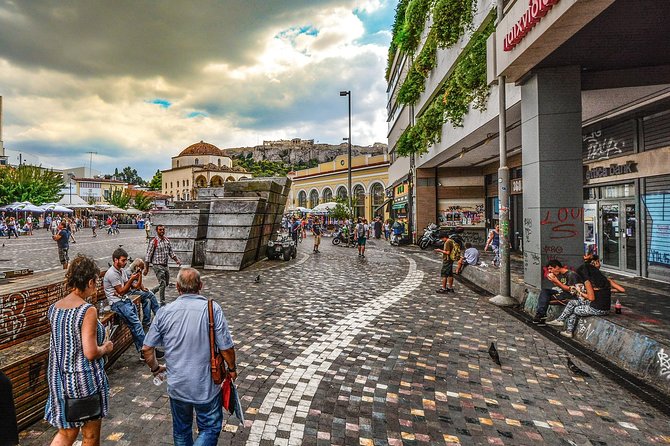


Athens And The Acropolis Tours That Bring Ancient Greece To Life
Athens is where many tours in Greece begin, and it’s where a guide pays off right away. The Acropolis is iconic on its own. Without context, though, it’s easy to miss the political ambition, the religious meaning, and the artistic leaps packed into the site.
The best Athens tours usually combine the Acropolis, the Parthenon, the Theater of Dionysus, and the Acropolis Museum. That pairing matters. Seeing the objects in the museum after walking the hill helps the whole story click into place.
We especially like early-morning or late-afternoon starts. The light is softer, the heat is easier, and the crowds are smaller. In peak summer, that’s not a small detail. It can shape the whole experience.
Look for guides who link myths to daily life in ancient Athens instead of just reciting dates. Great guides explain how democracy worked, why Athena mattered to the city, and how the Parthenon has changed.
If time allows, the best city tours also include neighborhoods like Plaka, Monastiraki, or Anafiotika. Ancient monuments plus lived-in modern Athens give us a fuller first look at the country than one archaeology stop ever could.
See more tours:
- Traditional Greek Villages To Visit
- Packing Light For Greek Island Tours: A Smart, Minimalist Guide
- Best Nature Reserves To Visit In Greece: Where To Go, What To See, And How To Plan
- How To Visit Greek Monasteries: Rules, Routes, And Respectful Travel Tips
- How To Experience Local Greek Traditions
- How To Experience Greek Easter: Traditions, Timing, And Where To Go
- How Much Does A Greece Tour Cost? A 2026 Price Guide By Style, Season, And Itinerary
- Greek Legends And Historical Sites: A Myth-To-Map Travel Guide
- Greek Holiday Customs And Traditions: A Season-By-Season Guide
- Greek Festivals To Experience: A Seasonal Guide To Culture, Food, Music, And Traditions
- Greek Ferry Booking Tips: How To Find The Best Routes, Seats, And Prices
- Greek Art And Museums Guide: What To See, Where To Go, And How To Plan
- Food Markets To Visit In Greece: A City-By-City Guide For Hungry Travelers
- Famous Greek Architecture Explained: Styles, Structures, And Lasting Influence
- What Is The Best Greek Island For Over 50s? A Practical, Evidence-Based Review
- Exploring Greece By Public Transport: A Practical Guide For Independent Travelers
Delphi And Meteora Day Tours For Myth, Monasteries, And Mountain Views
Among all tours in Greece, few offer a bigger contrast than Delphi and Meteora. Both are famous, but they feel completely different.
Delphi carries the weight of myth and prophecy. It sits on the slopes of Mount Parnassus, and it was once seen as the navel of the ancient world.
A good Delphi day tour brings the sanctuary alive. The guide explains Apollo, the oracle, the Sacred Way, and why asking the oracle for advice mattered in ancient Greek politics. Without that storytelling, it can feel like another beautiful ruin. With it, the site feels electric.
Meteora, meanwhile, feels almost unreal. The monasteries rise from tall rock pillars in central Greece. Even travelers who have seen the photos are usually stunned in person.
The best tours balance the scenic wow with the human story. That means monks, hermits, Byzantine art, and the huge effort of building communities of faith in such remote places.
Some travelers pick separate trips, while others book multi-day mainland tours in Greece to avoid rushing. That’s usually the smarter move if Meteora is high on our list. It deserves more than a quick look through the bus window and a photo break.


Santorini Tours Beyond The Postcards
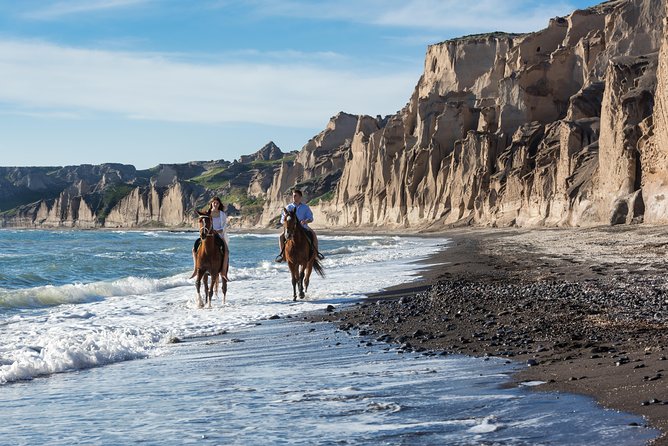
Santorini gets photographed a lot and explained very little. Yes, it’s beautiful. But the best tours go beyond the usual cliffside photo loop and show us why the island has such a strong identity.
A good Santorini tour usually covers more than Oia and Fira. Villages like Pyrgos, Emporio, and Megalochori often feel calmer and tell us more. We see traditional buildings, local rhythm, and a side of the island that hasn’t been turned into a backdrop.
Geology shapes everything here. The volcanic caldera doesn’t just create the views. It also affects the wine, the beaches, and the character of the island. Guides who explain that link make Santorini feel richer, not just prettier.
For 2026, we’d pick Santorini tours that start early, focus on local producers, or head out on the water. These are usually the ones that dodge the biggest crowds and give us a more memorable day.
Caldera Cruises, Wine Tastings, And Sunset Villages
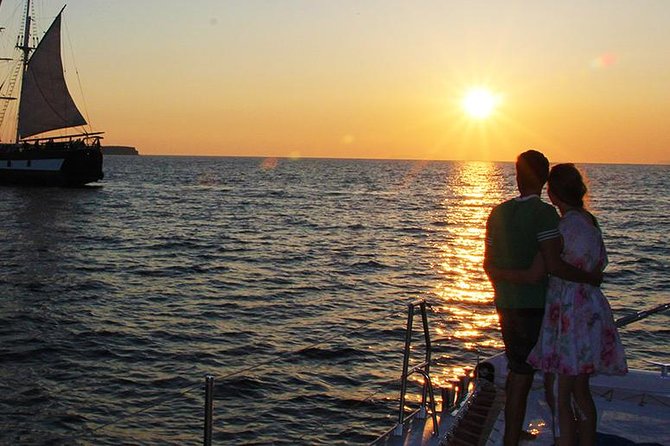
Caldera cruises are among the best tours in Greece for seeing Santorini’s scenery without pushing through Oia all day. Catamaran trips often include views of volcanic cliffs, swimming stops near Red Beach or White Beach, and meals on board. The best versions feel relaxed, not rushed.
Wine tours are just as worth our time. Santorini’s assyrtiko wines grow in volcanic soil on vines trained into low baskets, and they taste truly distinctive. A winery visit adds depth to the trip and gives us something better than another sunset selfie.
And yes, sunset villages still matter. Instead of joining the crowds in Oia, we can pick tours with quieter viewpoints in Imerovigli, Akrotiri, or lesser-known terraces. It’s the same golden light with less chaos.
Done well, this mix of sea, wine, and village life shows why Santorini deserves its fame. That holds true even after all the postcards.


Mykonos And Delos Tours For Beaches, History, And Cycladic Charm
Mykonos has a reputation for nightlife and beach clubs, and that part is real. But it’s not the whole story. The island also has graceful Cycladic lanes and a working harbor with real history. Delos, one of the most important archaeological sites in Greece, is easy to reach from there.
The best Mykonos tours usually pair a Chora walk with a beach trip or a half-day visit to Delos. In town, we’ll see the windmills, Little Venice, whitewashed alleys, and small churches in corners that many visitors walk right past.
Delos is where things shift from stylish to historic. According to myth, it was the birthplace of Apollo and Artemis. In ancient times, it became a major center for religion and trade. A guided visit makes a huge difference, because the ruins are large and don’t always explain themselves.
This pairing works well for travelers who want contrast in a single day. First comes soft island style, then serious archaeological depth. It’s one of the most satisfying pairings among tours in Greece. It’s far more rounded than treating Mykonos as only a party stop.
Crete Tours For Minoan Ruins, Food, And Wild Landscapes
Crete isn’t just another Greek island. It’s practically a country of its own, bigger, rougher, and more varied from region to region. That’s why tours here work best when they focus on one theme or one area. Trying to “cover Crete” in a day or two rarely works.
For history lovers, Knossos Palace is the obvious anchor. The best tours place Knossos in the wider Minoan story instead of reducing it to the Minotaur myth. Pairing the palace with the Archaeological Museum of Heraklion gives a much stronger picture of Bronze Age Crete.
For active travelers, western Crete has some of Greece’s wildest scenery. Think Samaria Gorge, Balos Lagoon, mountain villages, and dramatic coastal drives. These trips can be physically demanding. It’s worth checking the pace and transport details with care.
Then there’s food, which may be one of Crete’s biggest strengths. Farm lunches, olive oil tastings, village bakeries, and family-run tavernas often become the real highlight.
We remember the mountain herbs, the dakos, the cheeses, and the raki at the end of a meal. Crete has a way of turning tours in Greece into something that feels personal.


Island-Hopping Tours That Make Multi-Stop Greece Trips Easier
Island-hopping sounds romantic because it is. It can also be a logistics puzzle. Ferry schedules shift, ports get crowded, weather can interfere, and connections aren’t always as smooth as the brochures suggest.
That’s why organized island-hopping tours in Greece can be a smart choice. They suit first-time visitors, or anyone fitting several islands into 10 to 14 days. A well-built plan can link Athens with Santorini, Mykonos, and Crete, or swap in quieter islands to match the trip.
The big benefit of these tours in Greece isn’t just convenience. It’s momentum. Instead of spending hours comparing ferry classes, transfer times, and hotel spots, we can focus on the experience itself.
Packages differ a lot. When we compare them, we’d look closely at these points:
- Transfer coordination between ports, hotels, and airports
- Free time versus fully guided days
- Island mix based on your interests, not hype alone
- Backup support if bad weather disrupts the ferry routes
The best tours in Greece of this kind don’t overstuff the plan. They leave breathing room. After all, some of the best moments in Greece happen between the “must-sees”.
Mainland Food, Wine, And Village Tours For A More Local Side Of Greece
Not every great Greece trip needs to revolve around famous islands. Some of the most rewarding tours in Greece happen on the mainland, especially when food, wine, and village life are the focus.
This is where Greece becomes quieter and, in some ways, more surprising. In the Peloponnese, Epirus, Thessaly, or around Mount Pelion, we find olive groves, family wineries, and stone villages. We also find seasonal cooking and long meals where nobody looks at the clock.
Good food and wine tours in Greece might include olive oil tasting in Messinia or vineyard visits in Nemea. They might also include village cooking, where recipes are measured by instinct, not cups and spoons.
These tours also pair well with historical sites. Olympia, Mystras, Nafplio, or Cape Sounion can all fit into a wider cultural trip.
For travelers who say they want “the real Greece,” this is often the type of trip that gets closest. It’s less polished, maybe, and less Instagram-ready, for sure. But it’s warmer, slower, and often more memorable.
If we’ve already done the headline islands, mainland cultural tours in Greece are often the next best step. They show a slower side of the country.
Conclusion: The Best Greece Tour Is The One That Matches How You Want To Experience The Country
The best tours in Greece aren’t one-size-fits-all. Some of us want the Acropolis explained by a brilliant historian. Others want a catamaran in Santorini, a food trail through Crete, or an island-hopping route that removes the planning stress.
That’s really the point: Greece rewards clear choices. When we pick tours in Greece based on how we like to travel, the trip becomes sharper and more meaningful. That might mean history, food, landscapes, local culture, or a mix of all four.
For 2026, we’d focus on tours in Greece led by knowledgeable locals. We’d want a realistic pace and real experiences, not rushed checklists. Greece has too much depth to do it any other way.
Key Takeaways
- Choosing the best tours in Greece depends on your travel style, whether focused on history, islands, or local culture.
- Guided tours in Athens bring ancient sites like the Acropolis to life through engaging stories and avoid overwhelming crowds.
- Day tours to Delphi and Meteora offer dramatic contrasts of myth and breathtaking monasteries, best experienced with enough time to explore fully.
- Santorini tours that venture beyond typical spots highlight the island’s volcanic geology, local villages, and exclusive wine tastings.
- Island-hopping tours simplify complex logistics, providing convenient transfers and balanced itineraries for a multi-island experience.
- Mainland food, wine, and village tours reveal a quieter, authentic Greece with memorable culinary and cultural experiences.
Frequently Asked Questions about the Best Tours in Greece
What are the best tours in Greece for history lovers?
For history lovers, the best tours in Greece cover Athens, Delphi, Meteora, Mystras, Olympia, and Cape Sounion. Guided visits bring ancient ruins to life with stories about myth, politics, and art, so the trip is more than sightseeing.
How can I experience Santorini beyond the typical tourist spots?
To see Santorini beyond the usual spots, choose tours in Greece that visit quieter villages like Pyrgos and Megalochori. Caldera cruises and local winery visits also help. These show the island’s volcanic geology, culture, and wine, with fewer crowds than the popular cliffside views.
What should I look for when choosing an island-hopping tour in Greece?
When choosing island-hopping tours in Greece, look for smooth transfers between ports and a comfortable pace with free time. A well-chosen island mix helps too, like Santorini, Mykonos, and Crete. Backup plans for bad weather matter as well. That lets us focus on the experience, not on ferry headaches.
Why are guided tours recommended for visiting the Acropolis in Athens?
Guided tours at the Acropolis give essential context about the Parthenon’s political symbolism, religious importance, and artistic innovations. Expert guides link myth to daily ancient life, turning impressive ruins into vivid stories. It helps even more when the visit includes the Acropolis Museum and nearby historic neighborhoods.
What makes Crete tours unique compared to other Greek islands?
Crete offers a varied experience thanks to its size, rugged landscapes, Minoan ruins like Knossos Palace, and rich local food culture. Tours here often feature archaeological sites, hiking in Samaria Gorge, and authentic meals in family-run tavernas. The result feels deeply personal and very different from the smaller islands.
When is the best time to join Athens and Acropolis tours for a better experience?
Early-morning or late-afternoon departures are ideal for Athens tours. These times bring softer light, cooler temperatures, and fewer crowds. That makes the visit more comfortable. It also gives us a more relaxed look at the Acropolis and nearby sites, without the peak heat.
Why choose tours in Greece beyond Athens and the famous islands?
Tours in Greece beyond Athens show you a quieter, wider country. You meet real towns, big ruins, and mountain villages with far fewer crowds. Most first trips never leave the Athens and island circuit.
What the mainland adds to a trip
Many tours in Greece repeat the same short list of stops. The mainland offers much more. You can see Roman arches in the north, cross old stone bridges in the mountains, and eat fresh fish in harbor towns.
Hotels and meals are often cheaper than on the most famous islands. Roads are quieter, and the pace feels slower. That makes it easier to enjoy each place instead of rushing to the next one.
How regional tours are grouped
Most operators sort tours in Greece by region. Northern and central Greece covers Thessaloniki, Meteora, and the mountains of Epirus. The Peloponnese covers Corinth, Nafplio, Mycenae, and Olympia. Western Greece covers Patras and the Ionian coast. Each region works well as its own trip of three to five days.
Islands and Crete have their own tour styles. Many tours in Greece mix a few mainland days with an island stay at the end. This guide stays on the mainland, where distances are short and the history runs deep.
Which tour style fits you
Small groups feel personal and flexible, while private tours let you set the pace. This guide to small-group and private tours in Greece explains the differences. If you are still deciding, this guide to choosing the right Greek tour helps you compare options.
Each section below covers one place. We explain why to go and the best tour style. We also give one standout day, how to get there, the best months, and who should skip it. Short on time? Start with Greece tours from Athens.
Which places should tours in Greece beyond Athens include?
Eleven places anchor a strong mainland plan. Each one gives you history, food, or scenery away from the Athens crowds. The groups below follow the way most regional tours are built.
Northern and central Greece
These stops suit tours in Greece that start in Thessaloniki or reach north from Athens. Thessaloniki works as the hub for the north. Many travelers add Delphi on the way. Meteora pairs well with a night in the nearby town.
- Thessaloniki: Greece’s second city, with Byzantine churches, Roman ruins, a seafront, and a famous food scene.
- Meteora: monasteries on tall rock pillars in central Greece.
- Pelion: a green peninsula with stone villages, quiet beaches, and a scenic mountain railway.
- Delphi: the sanctuary of Apollo on the slopes of Mount Parnassus.
The Peloponnese
These four sites fill most multi-day tours in Greece that start in Athens. Together they form a loop that is easy to drive in four or five days. Nafplio makes a good base for Mycenae and Epidaurus.
- Mycenae: a Bronze Age fortress with the Lion Gate and huge beehive tombs.
- Epidaurus: an ancient theater known for its sound, plus a sanctuary of healing.
- Olympia: the home of the first Olympic Games, with a stadium and a fine museum.
- Mystras: a ruined Byzantine hill town near Sparta with painted churches.
Quiet coast and island add-ons
These three suit travelers who want a sea break after the ruins. None of them has the crowds of Santorini or Mykonos, so you can swim in peace. Each is reached by a short ferry, a flight, or a bridge.
- Kythira: a quiet island south of the Peloponnese with villages, waterfalls, and small beaches.
- Kefalonia: a large Ionian island known for Myrtos Beach, caves, and mountain roads.
- Lefkada: an Ionian island linked to the mainland by a short bridge, with sheer-cliff beaches.


How many days do tours in Greece beyond Athens need?
Most regions need two to five days, and a full mainland loop takes ten to fourteen. A single day trip can cover only one or two nearby sites. Plan around driving time, not only the sights.
One day from Athens
Corinth, Nafplio, Mycenae, Epidaurus, and Delphi all fit into long day tours in Greece from the capital. Expect an early start and several hours on the road. A longer option is a 4-day tour from Athens that explores ancient Greece.
Pick one big site per day trip, or pair two that sit close together, such as Mycenae and Epidaurus. Delphi is a full day on its own, because it lies about two and a half hours from the city. Day tours in Greece like these suit short stays.
Three to five days for one region
The Peloponnese works well in four or five days with Nafplio, Olympia, Mystras, and Monemvasia. Northern Greece fits five days with Thessaloniki, Pella, Vergina, and Kavala. Meteora needs one night in the nearby town, so you can see the monasteries at sunrise.
Most tours in Greece on the mainland mix driving days with lighter days. A good plan never has more than three long drives in a row. That keeps the group fresh and leaves time for lunch and a swim.
Ten to fourteen days for a full loop
Two weeks can link Athens, the Peloponnese, Delphi, Meteora, Ioannina, and Thessaloniki. Allow at least two nights in each base. Fewer, longer stays make tours in Greece feel calmer.
In July and August, add a rest day or two, because the heat slows everything down. Spring and autumn are easier for long loops. Tours in Greece run all year, but mountain roads can close after snow in winter.
A guided escorted tour in Greece handles the driving and bookings. If you prefer freedom, self-guided itinerary planning gives you a simple framework.
Why is Thessaloniki a good base for tours in Greece?
Thessaloniki is a great base for tours in Greece’s north. It mixes Roman and Byzantine sights with great food and easy day trips. It also has the lively energy of a working harbor city.
Why go and what you see
Greece’s second city has layers of history on every street. The Rotunda and the Arch of Galerius date from Roman times. Early Christian and Byzantine churches share the old lanes, and the White Tower guards the seafront.
The Archaeological Museum holds the Derveni Krater, a famous bronze vase. The city is also a great place to eat, with bakeries, meze bars, and busy markets.
Beaches are close too. The Halkidiki peninsula lies within an hour or two by road, so some tours in Greece add a swim day here.
Best tour style and a standout day
Walking tours with a local guide work best, because the main sights sit close together. A food tour through the Modiano and Kapani markets is a fun second choice. This guide to Greek food to try on a tour shows what to order.
Private tours suit travelers with limited time, because the guide can skip the busiest hours. Group tours cost less and are a good way to meet other travelers.
Our standout day starts with bougatsa for breakfast. Then walk up to the Upper Town walls for city views. Come down to the Rotunda, and finish at the White Tower at sunset.
Getting there, best months, and who should skip it
From Athens, flights take under an hour and fast trains take about four hours. By car, expect around five hours. The airport also works as an entry point for tours in Greece that begin in the north.
The best months are April to June and September to October. Check this guide to the best time to visit Greece for more detail.
Skip Thessaloniki if you only have three days in Greece or want a pure beach trip.
How do tours in Greece cover Nafplio and the Argolis?
Many tours in Greece use Nafplio as a base and visit the Argolis sites by car or coach. This works well because Mycenae and Epidaurus sit within an hour of town. The town itself deserves an evening.
Why go and what you see
Nafplio was the first capital of modern Greece. Its old town has neoclassical houses, small squares, and a Venetian fortress on the hill above. The little Bourtzi castle sits on an islet in the harbor.
Nafplio also sets a gentle pace for tours in Greece. You can stroll the seafront promenade, climb to the Palamidi fortress for sunset, and eat late without a rush. The climb has hundreds of steps, so go early or take a taxi.
The wider Argolis is full of ancient sites. Mycenae has the Lion Gate and royal tombs. Epidaurus has a theater with famous sound. Tiryns has huge walls made of giant stones.
Best tour style and a standout day
A small-group or private tour with a driver suits this region, because the sites are spread out. Read about the ancient treasures unearthed in Mycenae before you go.
The standout day starts at Mycenae early, to beat the heat. Then you move on to the theater at Epidaurus. End with dinner in Nafplio’s old town, where the lanes fill with tavernas.
Epidaurus also hosts summer performances in the ancient theater. Check the festival dates if you like live shows.
Getting there, best months, and who should skip it
Nafplio is about two hours from Athens by car or bus. Many visitors do the area as a long day trip, and these day trip ideas from Athens show how. Staying two nights feels far less rushed.
The best months are April to June and September to October. Skip it if you want nightlife or a big beach resort, because Nafplio is calm and best for slow evenings.
What do tours in Greece offer in Ioannina and Zagori?
Ioannina and Zagori give you lakes, castles, stone bridges, and hiking. They suit travelers who prefer mountains to beaches. This is among the least crowded corners of mainland tours in Greece.
Why go and what you see
Ioannina sits on a lake in northwestern Greece. Its castle quarter has old walls, an Ottoman mosque, and quiet lanes. You can take a short boat ride to a small island with old monasteries.
The city is also known for its old silver-making trade. Meteora is about two hours away by road, so many travelers pair the two on one trip.
Nearby, the Zagori region has dozens of stone villages and arched bridges. Vikos Gorge is a deep canyon with some of the best walking in the country.
Best tour style and a standout day
Small-group walking tours and active trips with a local guide fit best. Our standout day walks a stretch of Vikos Gorge from the village of Monodendri. After that, stop at a stone bridge such as Kokkori and have lunch in a mountain village.
Few tours in Greece come here, so you share the trails with very few people. Bring a rain jacket in spring, because mountain weather changes fast.
This list of top hiking trails in Greece helps you compare routes. For wider ideas, try off-the-beaten-path hidden gems in Greece.
Getting there, best months, and who should skip it
Ioannina is about five hours from Athens by road. From Thessaloniki it takes around four hours, and mountain roads are slower than the distance suggests.
The best months are May, June, September, and October, when paths are dry and the hills are green. Skip it if you dislike winding mountain roads or want an easy beach week.
Which tours in Greece suit Volos and Pelion?
Tours in Greece that combine Volos and Pelion suit families, hikers, and food lovers. The mix of sea, forest, and old villages is rare on the mainland. It is also a good escape from city heat.
Why go and what you see
Volos is a port city and the legendary start of Jason’s voyage on the Argo. Its waterfront has tavernas that serve tsipouro with small plates. Above the city, Mount Pelion rises with villages such as Makrinitsa, Portaria, and Milies.
The slopes are green with beech, chestnut, and apple trees. Pebble beaches lie on the Aegean side, and the sea is clear.
The villages are built of stone and slate, with shady squares and old plane trees. Many travelers stay a night in Makrinitsa or Tsagarada for the cool air and the evening views. In winter, a small ski center also opens, though snow is never certain.
Best tour style and a standout day
Small-group tours with a guide suit the villages, while self-drive plans suit confident drivers. The standout day links Makrinitsa and Milies. It rides the old narrow-gauge train when it runs, then ends with a swim at Mylopotamos.
Read about the best scenic train rides in Greece to plan the railway. For hiking and kayaking, see these adventure activities in Greece.
Pelion also suits families. Beaches are easy to reach, and the village walks are short. That makes it one of the gentler tours in Greece for children.
Getting there, best months, and who should skip it
Volos is about four hours from Athens by car and about two hours from Thessaloniki. The best months are May to October, with spring for flowers and autumn for chestnuts.
Skip it if you want ancient ruins as the main focus. This region is about nature and village life.
Are tours in Greece worth it around Kalamata and the Mani?
Yes, if you love food, wild coasts, and stone tower villages. This is one of the most rewarding parts of southern tours in Greece. It also feels far from the usual tourist trail.
Why go and what you see
Kalamata is famous for its olives and olive oil. It has a lively old quarter and a hilltop castle. South of it, the Mani peninsula is rugged and dry.
Tall stone tower houses stand in villages such as Vathia. The Diros caves can be toured by boat. Cape Tainaro sits at the far tip of the peninsula, at the southern end of mainland Greece.
Kardamyli is a pretty seaside village where the mountains meet the water. West of Kalamata, Pylos and Methoni have a calm bay and old castles. Some tours in Greece stretch the loop to include them.
Best tour style and a standout day
Private driver tours and food-focused tours work best. The standout day drives from Kalamata to Areopoli and visits the Diros caves by boat. Then it sees the tower houses of Vathia before a seafood lunch.
The coastal roads are narrow, so this guide to scenic drives in mainland Greece is useful. Food lovers can also read about the popular wine regions in Greece.
Choose a driver who knows the roads, or take a small-group tour. Distances look short on the map, but the bends make every drive slower than you expect.
Getting there, best months, and who should skip it
Kalamata is about three hours from Athens by car on the motorway. Allow two or three nights to enjoy the region.
The best months are April to June and September to October. The olive harvest runs from late autumn into winter. Skip it if you dislike long drives on narrow coastal roads or want a busy beach scene.
How do tours in Greece work around Patras and the western Peloponnese?
Patras is a gateway more than a destination. Tours in Greece use it to reach Olympia, the Ionian ferries, and the mountains of Achaia. The region suits slow, relaxed travel.
Why go and what you see
Patras is Greece’s third-largest city. It has a Roman odeon, the large church of Saint Andrew, and a famous winter carnival. The long Rio-Antirrio bridge crosses the gulf nearby.
Patras is also a major port for ferries from Italy. That means some tours in Greece begin here when travelers arrive by sea. The old town is easy to see on foot in a few hours.
Ancient Olympia lies inland and holds the stadium of the first Olympic Games. The museum there has fine sculpture. In the hills, the Kalavryta rack railway climbs through the Vouraikos Gorge. The ride takes about an hour.
Best tour style and a standout day
A private or small-group tour with a driver is the easiest way to link these sites. The standout day goes to Olympia. Walk the ancient stadium, see the ruins of the Temple of Zeus, and spend an hour in the museum.
Ferries from Kyllini reach Zakynthos and Kefalonia. This guide to ferry travel in Greece explains tickets and ports.
Spring is a lovely time for tours in Greece in this region, with green hills and quiet roads. Summer brings strong heat, so start early and plan long breaks at midday.
Getting there, best months, and who should skip it
Patras is about two hours from Athens by car or bus. Olympia is another hour and a half beyond it. The best months are April to June and September to October.
Skip it if you only want famous sights near Athens. The distances here add up.
Why add Kavala and Philippi to tours in Greece?
Kavala and Philippi add Roman and early Christian history to a northern route. They also give you a relaxed seaside stop. Few tours in Greece reach this far east, so crowds stay small.
Why go and what you see
Kavala is a harbor town with an old quarter on a hill. A fortress watches over the sea, and a long Ottoman-era aqueduct crosses the town. The waterfront is full of fish tavernas.
Amphipolis, with its famous stone lion, sits along the road from Thessaloniki, so it makes an easy stop on the way. Thasos is a short ferry ride away if you want a beach day.
Nearby, ancient Philippi has a theater, a Roman forum, and the ruins of early churches. It is a UNESCO World Heritage site. The Apostle Paul preached here. A small baptistery of Saint Lydia marks the river bank where Paul is said to have met the first European convert.
Best tour style and a standout day
Private and small-group cultural tours work best. The standout day visits Philippi in the morning. After that, walk Kavala’s old quarter and the aqueduct, and end with grilled fish by the harbor.
Because Kavala is far east, give it at least one night. Tours in Greece that rush through in a day miss the evening light on the old harbor.
This guide to the top archaeological sites in Greece puts Philippi in context. For visiting tips, see a practical guide to ancient Greek ruins.
Getting there, best months, and who should skip it
Kavala is about two hours by road from Thessaloniki. From Athens it is a very long drive, so most people fly or start in the north. The best months are May, June, and September.
Skip it if you have less than a week or prefer big museums to open-air ruins.
What can tours in Greece show at Pella and Vergina?
Pella and Vergina tell the story of ancient Macedonia and Alexander the Great. Together they make one of the best history days in northern Greece. Both lie within about an hour of Thessaloniki.
Why go and what you see
Pella was the capital of ancient Macedonia and the birthplace of Alexander the Great. The site shows house floors with fine pebble mosaics. A small museum holds many of the finds.
Alexander was born here in 356 BC. Today the site is quiet, with low walls, columns, and wide views of the plain. Few visitors come here, but it rewards a slow visit.
Vergina, the ancient Aigai, has the royal tombs under a great earth mound. A museum is built inside the mound. One tomb is widely thought to be the burial place of Philip II, Alexander’s father. It held a gold chest marked with a star symbol.
Best tour style and a standout day
A guided day tour from Thessaloniki is the easiest choice, because guides explain what the tombs mean. The standout day pairs Pella in the morning with Vergina after lunch. Take your time in the tomb museum, as the displays are dim and detailed.
In Thessaloniki, the Archaeological Museum adds more finds from ancient Macedonia. A city day there pairs well with this trip, so build one extra night into the plan.
To understand the story first, read Greek history you should know. This guide to Greece historical tours helps with planning.
Getting there, best months, and who should skip it
Both sites are about an hour from Thessaloniki by car. Athens is too far for a day trip, so stay in the north. Many tours in Greece skip these sites because of the distance.
The best months are April to June and September to October. The tomb museum stays cool in summer. Skip it if you do not enjoy archaeology, because the sites are quiet and ask for some imagination.
Is Monemvasia worth adding to tours in Greece?
Yes, if you love medieval towns and sea views. It works best as an overnight stop, not a rushed photo break. Few tours in Greece stay long enough to enjoy it.
Why go and what you see
Monemvasia is a walled town on a huge rock off the east coast of the Peloponnese. A short causeway links it to the mainland. Cars cannot enter the old town.
The town was a busy trade port in Byzantine times. The word malmsey, for a sweet wine, is said to come from its name. Gefyra, the modern village on the mainland side, has hotels and restaurants.
Inside, stone lanes lead past Byzantine churches, small hotels, and sea walls. Paths climb to the ruins of the upper town and the church of Agia Sofia. The views over the water are huge.
Best tour style and a standout day
Private tours and self-drive plans with a local guide work best. The standout day starts with a walk through the lanes at sunrise. Then climb to Agia Sofia, have lunch, and swim from the rocks. On day two, drive to Mystras.
Plan to arrive in the afternoon and stay the night. The day crowds leave, the stone glows at sunset, and tours in Greece feel much calmer. Pack shoes with good grip, because the cobbles are smooth and slippery.
The town is a dream for photos, so see these photography tips for Greece tours. If you want a small, responsible stay, this guide to eco-friendly accommodations in Greece may help.
Getting there, best months, and who should skip it
Monemvasia is about four hours from Athens by car. Sparta and Mystras are about an hour and a half away. The best months are May, June, September, and October.
Skip it if you have limited mobility, because the lanes are steep and uneven. Also skip it if you need a beach resort.
How do tours in Greece fit a stop at Corinth?
Corinth is the easiest mainland stop, because it lies about an hour from Athens. Most tours in Greece pair it with Nafplio, Mycenae, or Epidaurus. It works as a first stop or a short half-day.
Why go and what you see
Ancient Corinth has a Doric temple of Apollo, a large agora, and a museum with mosaics, pottery, and sculpture. Above it, the fortress of Acrocorinth gives wide views over the gulf.
The Corinth Canal opened in 1893. It is a deep cut through rock, about six kilometers long. You can walk across a bridge for the view, and small boats still pass through in the warm months.
The canal is a quick stop, so it works well as a short photo break on tours in Greece. The Apostle Paul lived in the city for about 18 months.
Best tour style and a standout day
A half-day private tour or a stop on a multi-day route works best. The standout day starts with ancient Corinth in the morning. Climb Acrocorinth if the weather is cool, stop at the canal, and then move on to Nafplio.
This guide to private tours in Greece explains how to set a custom route and pace.
Nemea, a famous wine region, lies not far away. Wine fans can add a tasting if the route allows.
Getting there, best months, and who should skip it
Corinth is about an hour from Athens by car. Suburban trains and buses also run, but you will need a local bus or taxi to reach the ruins.
The best months are March to May and September to November. Early starts beat the heat on the open hillside. It is a smart first stop for tours in Greece that continue to the Peloponnese.
Skip the full ruins visit if you are short on time and want only Mycenae and Epidaurus.
Questions about tours in Greece beyond Athens
These answers cover the most common planning questions. Use them to build a simple and realistic mainland trip.
What is the best time of year for tours in Greece beyond Athens?
Spring and early autumn are best. May, June, September, and October bring mild weather and fewer crowds. July and August are hot, so plan early starts and long lunches.
How much do tours in Greece beyond Athens cost?
Guided day tours from Athens often cost roughly 70 to 130 euros per person. Multi-day small-group trips cost more per day, depending on hotels and meals. These budget tips for Greece visitors can help you spend less.
Do I need a car for tours in Greece beyond Athens?
No, a guided tour or a private driver removes the need for a car. Self-drive works well in Pelion, the Mani, and Zagori. The roads there are narrow, so drive slowly and leave early.
Are small-group tours in Greece better than big coach tours?
Small groups are usually more flexible and spend more time at each site. Large coaches often cost less. Choose based on your budget and your pace.
Is it safe to join tours in Greece beyond Athens?
Yes, the mainland is generally safe for visitors. Use normal care with bags and valuables in busy places. These safety tips for Greece tourists cover the basics.
What should I pack for tours in Greece beyond Athens?
Pack comfortable walking shoes, a sun hat, and a light layer. Mountain nights can be cool, even in summer. Cover your shoulders and knees at monasteries, as this guide to cultural etiquette for Greece visitors explains.